
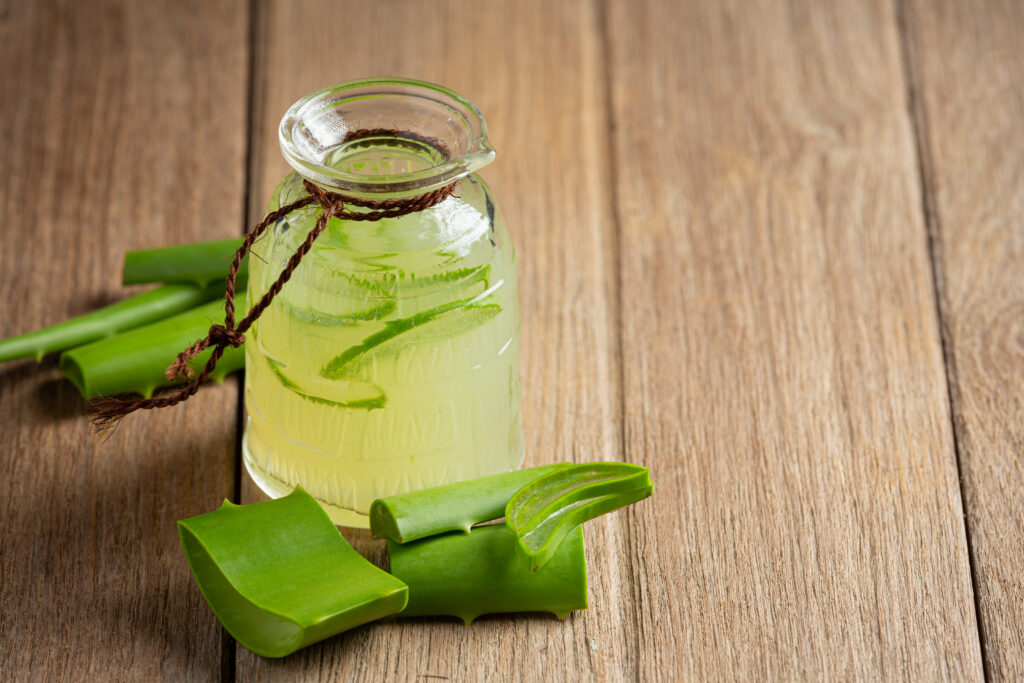
Aloe vera: Nature’s soothing power, packed with soothing gels, vitamins, and minerals that make it a staple in homes, bathrooms, and skincare routines. If you’ve ever wondered whether this prickly green plant deserves a spot in your daily regimen.
Aloe vera at a glance
Aloe vera is a succulent plant known for its thick, fleshy leaves that hold a clear gel. The gel contains vitamins A, C, and E, enzymes, minerals like calcium, magnesium, and potassium, and natural sugars. It also has fatty acids and amino acids that can help soothe, moisturize, and protect the skin. When used internally, aloe vera juice is believed to support digestion and provide hydration, though it’s important to choose products carefully and use them in moderation.
Skin-soothing properties
- Hydration booster: Aloe vera gel is primarily water, making it an excellent hydrator for dry or irritated skin. It’s lightweight and absorbed quickly without leaving a greasy film.
- Anti-inflammatory effects: Compounds like acemannan and other polysaccharides in aloe vera can help calm redness and inflammation, making it a popular remedy for sunburn, minor skin irritations, and rashes.
- After-sun relief: For sun-exposed skin, a cooled aloe vera gel can provide immediate cooling and comfort, reducing the feeling of heat and promoting faster relief.
- Acne aid: Aloe’s antibacterial properties, combined with its soothing touch, can help reduce inflammation around blemishes. Use a pure gel or a product with minimal additives to avoid clogging pores.
- Scar and wound support: Some people report that aloe vera speeds healing for minor cuts and reduces the appearance of minor scars over time, though results vary by person.
Hair and scalp benefits
- Scalp soothing: Aloe vera’s enzymes can help remove dead skin cells and excess sebum, potentially reducing dandruff and itchiness.
- Conditioning effect: The gel acts as a natural conditioner, leaving hair smoother and more manageable, especially for dry or curly hair.
- Shine and volume: By promoting a clean scalp environment, aloe can help hair appear shinier and healthier.
Body care
- Moisturizing body lotion: Aloe vera is a gentle moisturizer suitable for sensitive skin. It’s often combined with other ingredients like glycerin or oils for a richer feel.
- After-shave calmer: Its cooling properties make aloe vera a popular ingredient in after-shave balms to minimize irritation and razor burn.
- Hand and foot care: A thin layer of aloe gel can soften rough patches on hands and feet, particularly when paired with a damp mitt or mask.
Digestive support
- Gentle hydration: When used as part of a balanced diet, aloe vera juice can contribute to hydration, which is vital for digestion.
- Potential laxative effect: Some aloe products have a laxative component; however, this should be approached with caution and only under medical guidance, as excessive use can cause cramps or dehydration.
- Soothing internal discomfort: People turn to aloe juice for soothing minor stomach upset, but it’s essential to select food-grade, peel-free products and avoid those with added sweeteners that can irritate the stomach.
Oral health
- Mouthfeel and soothing properties: Aloe vera gel can be found in toothpaste and mouthwash for a gentle, cooling sensation. It may help with gingival irritation and provide a fresh feeling.
Anti-inflammatory and healing properties
- Joint and muscle comfort: Some athletes and fitness enthusiasts use aloe-based topicals or gels to soothe minor joint and muscle pains after workouts.
- Wound healing: Aloe’s components can support the skin’s natural healing process. It is commonly used on minor abrasions and burns (non-severe) to promote comfort and cleanliness.
Product choices and usage tips
- Pure gel vs. enriched products: For skin, pure aloe vera gel with minimal additives is often best to avoid potential irritants. If you’re using aloe on hair or skin, look for products with a short, clean ingredient list.
- Patch testing: If you’re trying aloe for the first time, perform a patch test on a small area of skin to ensure you don’t react poorly.
- Storage: Aloe gel can degrade with heat and light. Store in a cool, dark place and refrigerate if you won’t use it for a while. Fresh-cut aloe leaves require proper refrigeration and should be used quickly.
- Fresh vs. store-bought: Fresh aloe gel from a plant is rich and natural, but it has a shorter shelf life. Store-bought gels should be free from dyes, fragrances, and alcohol for best results on sensitive skin.
- Dilution: For sensitive or irritated skin, you may dilute aloe gel with a gentle moisturizer or water to reduce any potential stinging sensation.
Skin-care routines with aloe
- Daily moisturizer: Apply a thin layer of aloe vera gel after cleansing to lock in moisture and provide a calming base for makeup.
- Overnight treatment: Use a slightly thicker layer of aloe as an overnight mask. Pair with a light oil or cream if your skin tends toward dryness.
- Targeted care: Use aloe on areas prone to irritation, such as elbows, knees, or heels, to help maintain softness and smoothness.
Sunburn and minor irritations
- Quick helper for sunburn: Chill a bottle of aloe gel in the fridge and apply gently to sunburned areas as needed for relief.
- Minor irritations: For minor cuts or rashes, a clean dab of aloe can help reduce redness and protect the area while it heals.
Hair routines
- Pre-shampoo treatment: Mix aloe vera gel with a little water and massage into the scalp before washing to help moisturize and calm the scalp.
- Leave-in conditioner: A small amount of aloe gel mixed with a hair serum can improve manageability and reduce frizz.
Internal considerations
- Interactions and safety: If you’re considering aloe vera internally, consult a healthcare professional, especially if you’re pregnant, nursing, have kidney issues, or take medications that could interact with laxative effects.
- Quality and source: Choose edible-grade aloe if you plan to ingest it. Avoid gels with added alcohol or strong sugars, which may irritate your stomach.
A cohesive routine for beginners
- Start with a pure aloe vera gel patch test on your inner forearm.
- Use a small amount after cleansing as a lightweight moisturizer.
- Introduce a weekly exfoliating mask with aloe to help with cell turnover, followed by hydration.
- For extra care, apply aloe gel after sun exposure or post-shower to lock in moisture.
- If you’re curious about internal use, discuss with a healthcare provider and start with a small, reputable product.
Safety and potential drawbacks
- Skin irritation: A rare few may experience redness or itching. Patch testing helps catch this early.
- Allergic reactions: If you have a known allergy to plants in the Liliaceae family, use caution and consult a clinician.
- Internal caution: Some aloe products have laxative effects; inappropriate use can cause cramps or dehydration. Always follow product directions and medical advice.
What makes aloe vera special
- Versatility: Aloe combines soothing, moisturizing, and healing properties across skin, hair, and even digestive health when used appropriately.
- Gentle effectiveness: It’s typically gentle enough for sensitive skin, making it a common first-aid staple in homes.
- Natural appeal: The plant is accessible and can be grown indoors, offering a fresh, readily available source of gel when leaves are healthy.
FAQs
- Can aloe vera help treat sunburn?
- Yes. Aloe vera can soothe sunburned skin and reduce redness and pain, especially when applied cold and pure. It’s best used as part of a broader sun-care plan, including shade and sunscreen.
- Is aloe safe for all skin types?
- For most people, yes, but some may react. Patch testing is advised, especially for sensitive or reactive skin. Choose products with minimal additives if you have sensitive skin.
- Can I use aloe vera gel on my face every day?
- Many people do, but start with once daily and observe how your skin responds. If you experience irritation or breakout, reduce frequency or discontinue use.
- Can aloe vera help with hair growth?
- Aloe can improve scalp health and manage oiliness, which may create a healthier environment for hair. It’s not a miracle cure for hair growth, but it can support overall hair health when used consistently.
- Is aloe vera safe to ingest?
- Edible-grade aloe vera is used in some beverages and gels, but internal use should be done with caution. Some varieties can have laxative effects, and interactions may occur with medications. Consult a healthcare professional before ingesting aloe.
- How do I store aloe gel properly?
- Refrigerate to extend shelf life and maintain cooling benefits. Keep it in a dark, cool place away from direct sunlight to preserve its properties.
- Can aloe vera help with minor skin infections?
- It can aid in soothing irritation, but it’s not a substitute for medical treatment for infected wounds. If there’s significant redness, swelling, or pus, seek medical care.
In closing
Aloe vera is a remarkably adaptable plant with a long history of use in skin care, hair care, and wellness routines. Its soothing gel, gentle hydration, and potential anti-inflammatory benefits make it a versatile addition to many regimens. Start with pure gel, test for sensitivity, and layer it into your routines gradually. As always, listen to your skin, respect product labels, and seek professional advice when using aloe for internal use or if you have health concerns.