
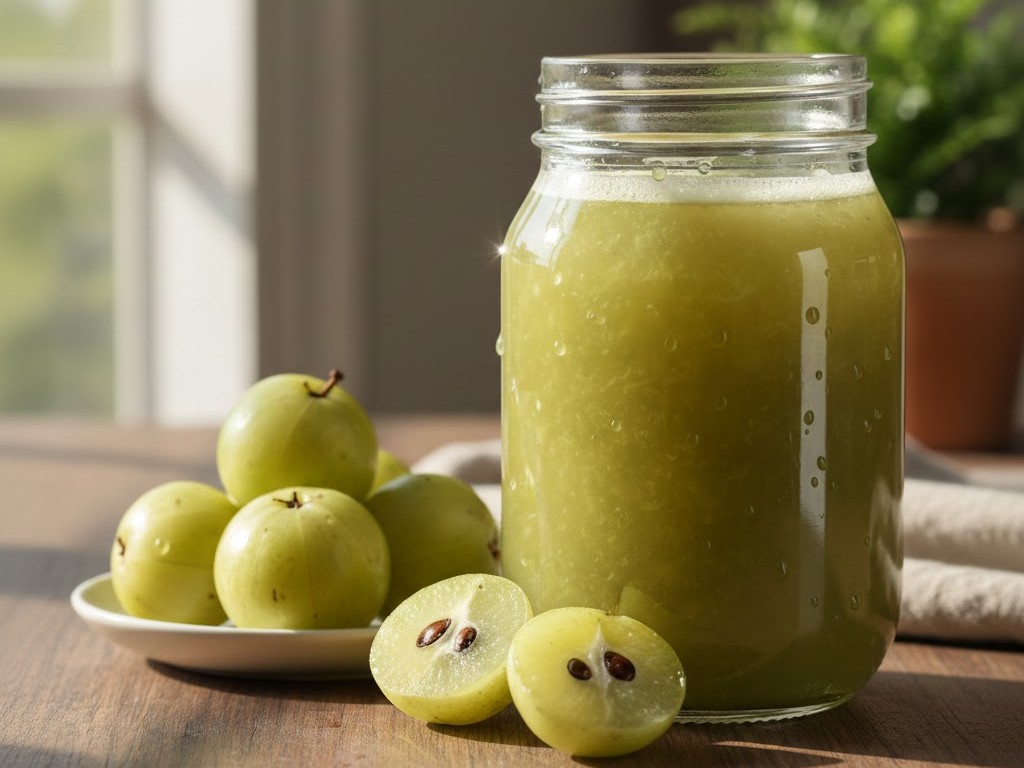
Amla: Benefits, Uses, and Practical Ways to Include This Superfruit in Your Routine
Amla, also known as Indian gooseberry, is one of the most celebrated fruits in traditional wellness systems like Ayurveda. Packed with vitamin C, antioxidants, and a host of other nutrients, amla earns its reputation as a daily ally for immunity, digestion, skin, and overall vitality. In this blog, we’ll explore the science-backed benefits, practical uses, and simple ways to incorporate amla into modern life—whether you’re into cooking, skincare, or holistic wellness.
Why amla stands out
Amla is unusually rich in vitamin C, boasting higher concentrations than many citrus fruits. But its value isn’t just about vitamin C. The fruit contains powerful polyphenols, flavonoids, and tannins that help neutralize free radicals, support collagen formation, and promote healthy aging. Its sour-tart flavor makes it a versatile ingredient in both cuisine and traditional remedies. With a long history of use in Ayurveda, amla is believed to balance three doshas, boost energy, and support digestive health.
Key health benefits
- Immune support and antioxidant protection
- Vitamin C in amla acts as a potent antioxidant, helping protect cells from oxidative stress.
- The combination of polyphenols and tannins provides a broader antioxidant network, supporting immune function.
- Skin and hair wellness
- Vitamin C is essential for collagen synthesis, supporting skin elasticity and wound healing.
- Amla’s antioxidants help protect hair follicles and may reduce hair loss and graying when used consistently over time.
- Digestive health and gut support
- Amla is traditionally used to stimulate digestive enzymes and improve appetite.
- It has mild astringent properties that can help with bowel regulation and may support a healthy gut microbiome when part of a balanced diet.
- Blood sugar and metabolic health
- Some studies suggest amla may help improve insulin sensitivity and support healthy blood sugar levels, especially when consumed as part of a balanced diet.
- Its fiber content also contributes to better satiety and gut health.
- Heart health and cholesterol
- Antioxidants in amla may help reduce oxidative stress on the cardiovascular system.
- Some evidence indicates amla can help maintain healthy LDL and HDL levels when taken as part of a heart-healthy diet.
- Anti-inflammatory effects
- Amla’s bioactive compounds exhibit anti-inflammatory properties, which can support overall wellness, especially for people dealing with chronic low-grade inflammation.
Common forms of amla you’ll encounter
- Fresh amla fruit: Tart and green, often eaten raw or used in chutneys and pickles.
- Amla juice: A convenient way to ingest a concentrated dose of vitamin C and polyphenols.
- Amla powder: Dried and ground fruit, versatile in smoothies, yogurt, or spiced drinks.
- Amla oil and hair tonics: Used topically to nourish scalp and hair.
- Amla candies or churan: Traditional sweetened preparations with a blend of spices.
Practical uses and recipes
- Morning immunity shot
- Recipe: Mix 1 tablespoon amla juice with a splash of warm water, a pinch of black salt, and a squeeze of lemon. Add honey if you like, and drink on an empty stomach to kickstart digestion.
- Amla-boosted smoothies
- Recipe: Blend 1 teaspoon amla powder with banana, yogurt, a handful of spinach, and a splash of almond milk. Add a pinch of turmeric for anti-inflammatory benefits.
- Amla chutney for daily meals
- Recipe: Combine fresh grated amla with cilantro, mint, green chili, salt, and a touch of tamarind water. This tangy chutney pairs beautifully with rice, chapati, or grilled vegetables.
- Skin-safe ritual: Amla face pack
- Recipe: Mix amla powder with cucumber juice and yogurt to form a paste. Apply to the face for 15 minutes, rinse with cool water. Use 1–2 times a week for a brightening effect.
- Hair care infusion
- Recipe: Boil amla powder in coconut oil until it turns reddish, cool, strain, and apply to scalp. Leave on for 30–60 minutes before washing. Regular use may help strengthen hair and add shine.
Choosing quality and safety tips
- Freshness matters: Fresh amla has a bright green color and a tart smell. If you’re buying dried powder, ensure it’s pure amla without additives.
- Storage: Fresh amla keeps best in the refrigerator for a few days; dried powder should be stored in a cool, dry place away from sunlight.
- Allergies and interactions: Amla is generally safe for most people, but those with a history of citrus allergies or on certain medication regimens should consult a healthcare provider before heavy use. If you’re pregnant or nursing, seek medical advice before taking large amounts.
Who should consider amla
- Anyone seeking a natural boost to immunity and skin health.
- People looking for a plant-based source of vitamin C.
- Those wanting to support digestion and a healthy gut.
- Individuals aiming for antioxidant-rich, low-calorie additions to meals.
Amla as part of a balanced lifestyle
While amla offers many benefits, it’s not a miracle cure. Pair it with a balanced diet rich in fruits, vegetables, whole grains, lean proteins, and healthy fats. Regular physical activity, adequate sleep, and stress management are essential for maximizing any natural health habit. If you have chronic health conditions or take medications, discuss with a healthcare professional to tailor amla use to your needs.
FAQs
- How much amla should I eat daily?
- A common approach is 1–2 teaspoons of amla powder or 1–2 tablespoons of fresh juice daily. Start with a smaller amount to assess tolerance and gradually increase as comfortable.
- Can amla help with weight loss?
- Amla is low in calories and rich in fiber, which can support satiety. It’s not a standalone weight-loss solution, but it can be a helpful part of a balanced eating plan.
- Is amla safe for kids?
- Yes, in moderate amounts. For children, use smaller doses and monitor for any digestive upset. Always consult a pediatrician if you’re unsure.
- Can amla interact with medications?
- It’s generally safe, but high doses could affect blood sugar or interact with anticoagulants and antidiabetic medications. If you’re on prescription meds, check with your clinician before taking large amounts.
- What’s the best form of amla to use?
- Fresh amla provides the whole-food benefits, while amla powder is convenient for daily smoothies, cooking, and supplementation. Choose based on your routine and preferences.
- Are there any side effects?
- Some people may experience sour taste fatigue or mild digestive changes when starting. Start with smaller amounts and increase gradually.
- How do I store amla products to preserve potency?
- Fresh fruit refrigerates well for a short period. Dried powder should be kept in an airtight container in a cool, dark place to maintain flavor and nutrients.